Columbus immigrant business owners say ICE hurting livelihoods
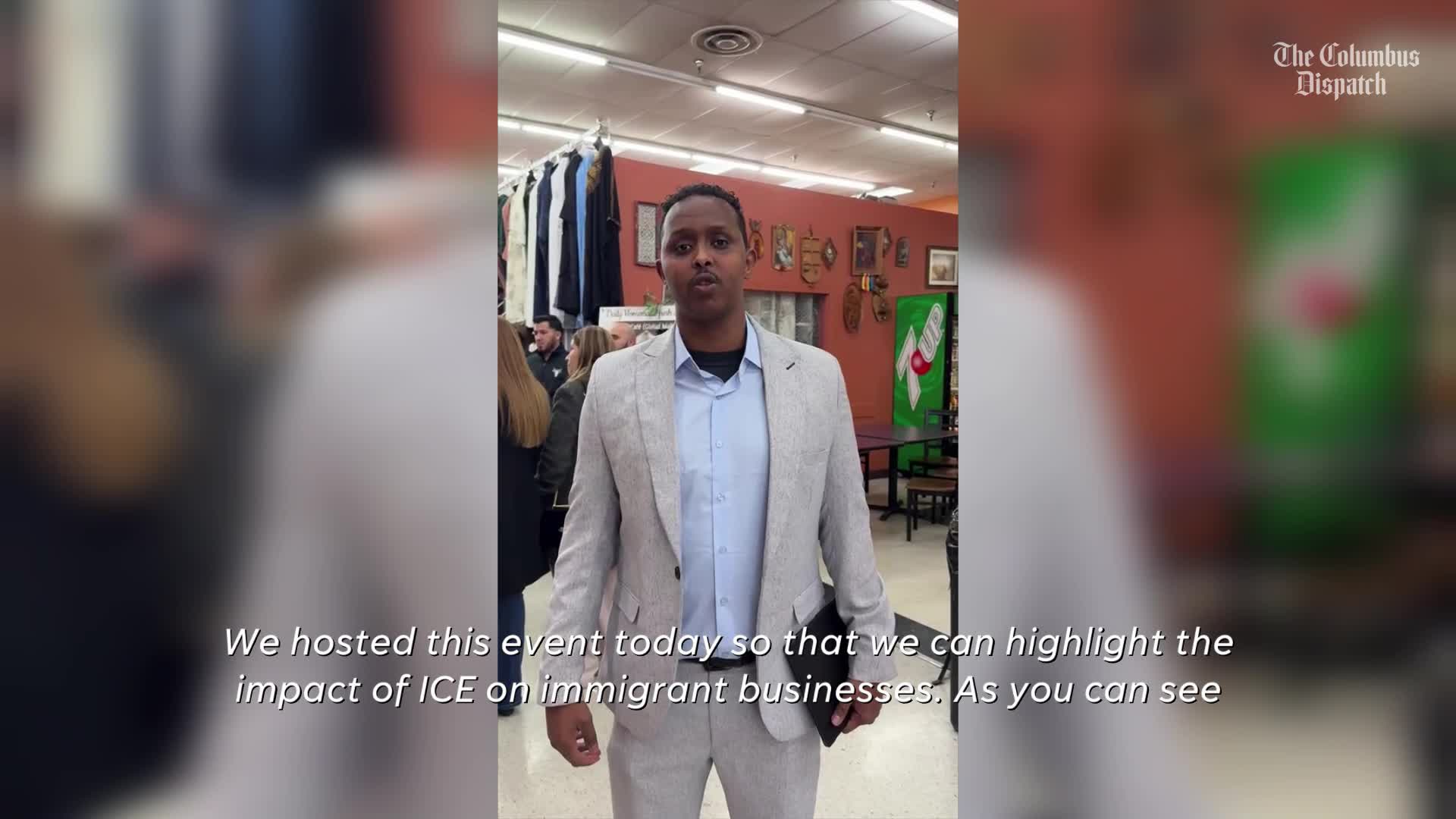

Immigrant-owned businesses gather to discuss impact of ICE presence
Local immigrant-owned businesses gathered on Dec. 23 to discuss the impact of ICE’s presence in Columbus.
- Immigrant-owned businesses in Columbus report a sharp decline in customers due to heightened immigration enforcement.
- U.S. Immigration and Customs Enforcement (ICE) confirmed “Operation Buckeye” is targeting certain individuals in Ohio.
- Business owners at Global Mall say the lack of foot traffic is threatening their ability to pay rent and employees.
Local immigrant-owned business owners say heightened immigration enforcement activity has driven customers away, threatening their livelihoods during what is typically a busy holiday sales season.
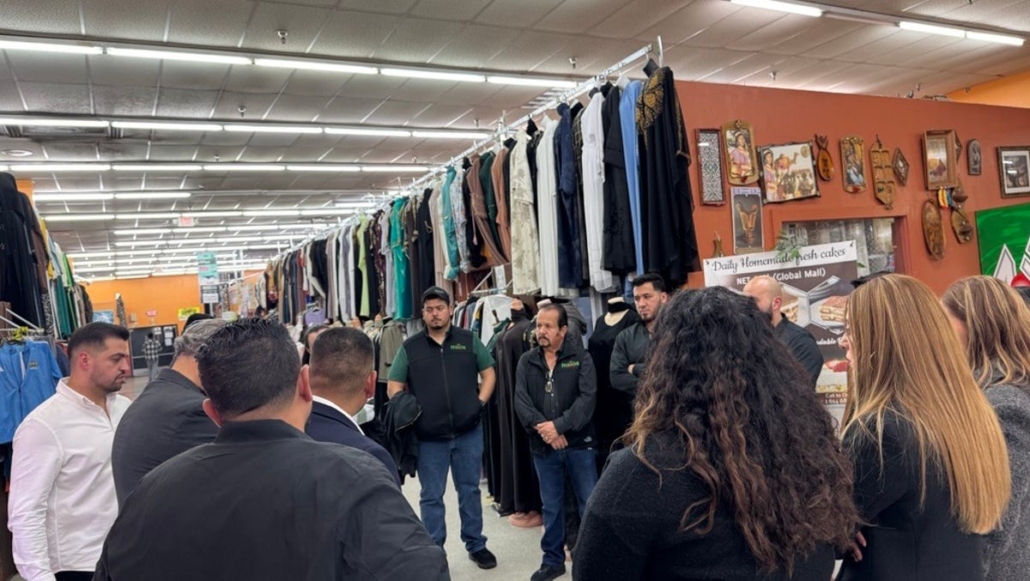
The meeting Dec. 23 at the Somali-owned Global Mall on Morse Road brought together Somali, Hispanic, Haitian and Arab business and community leaders who say that fears tied to increased U.S. Immigration and Customs Enforcement (ICE) presence in Columbus has sharply reduced foot traffic as customers avoid public spaces and businesses.
“This store used to be very full, and today these business owners say they haven’t seen anyone,” said Kawther Musa, director of the Ohio Somali Book Fair and a local health care provider. “We want to show people they don’t have to fear, and we want to show the city of Columbus and state leaders how ICE has affected local businesses. There’s a huge problem happening.”
Columbus saw a surge in masked immigration agents taking people into custody last week. ICE said in a Dec. 20 news release it launched “Operation Buckeye” on Dec. 16, targeting “the worst of the worst criminal illegal aliens.” ICE included names and photographs of 10 men arrested in Ohio, “including during this week’s enforcement.”
Global Mall, which opened in 2007 as a hub for Somali entrepreneurs, is home to dozens of small businesses and serves as a cultural and economic hotspot for the Northland area. Several owners said the slowdown created by ICE has left them struggling to pay rent, utilities, taxes and employees due to dwindling daily sales.
Beyond lost revenue, speakers emphasized the broader ripple effect on families. Many business owners support relatives both locally and abroad, they said, meaning reduced income can affect housing stability, food security and children’s well-being.
Mohamed Ali, an engineer and Somali community activist, said fear has been compounded by a lack of trust between enforcement agencies and immigrant communities. While officials have said ICE activity is not intended to target law-abiding residents, Ali said that messaging has not translated into a sense of safety.
Christian Espinoza, a board member of the Hispanic Chamber of Columbus, which represents more than 100 Hispanic-owned businesses, said misinformation has worsened anxiety.
“We want to hold gatherings like this so people know their rights,” Espinoza said. “We have to share the right information. There’s so much misinformation.”
Nicole Espinoza, owner of La Patrona Multiservices, said fear has affected both customers and staff. She said her secretary chose not to come to work while ICE activity was reported nearby.
“It’s so sad to see everyone hiding and afraid, especially during the holidays,” she said. “People are being targeted, and it’s destroying businesses.”
While the gathering did not formally request emergency assistance, organizers said the absence of direct economic support, from relief funds to clearer public guidance, remains a major gap. Community leaders called for continued dialogue and concrete action, emphasizing that the issue extends beyond immigration to the city’s broader economic health.
“This is not one community’s issue,” Musa said. “It affects all of Columbus.”
Trending reporter Amani Bayo can be reached at abayo@dispatch.com.